
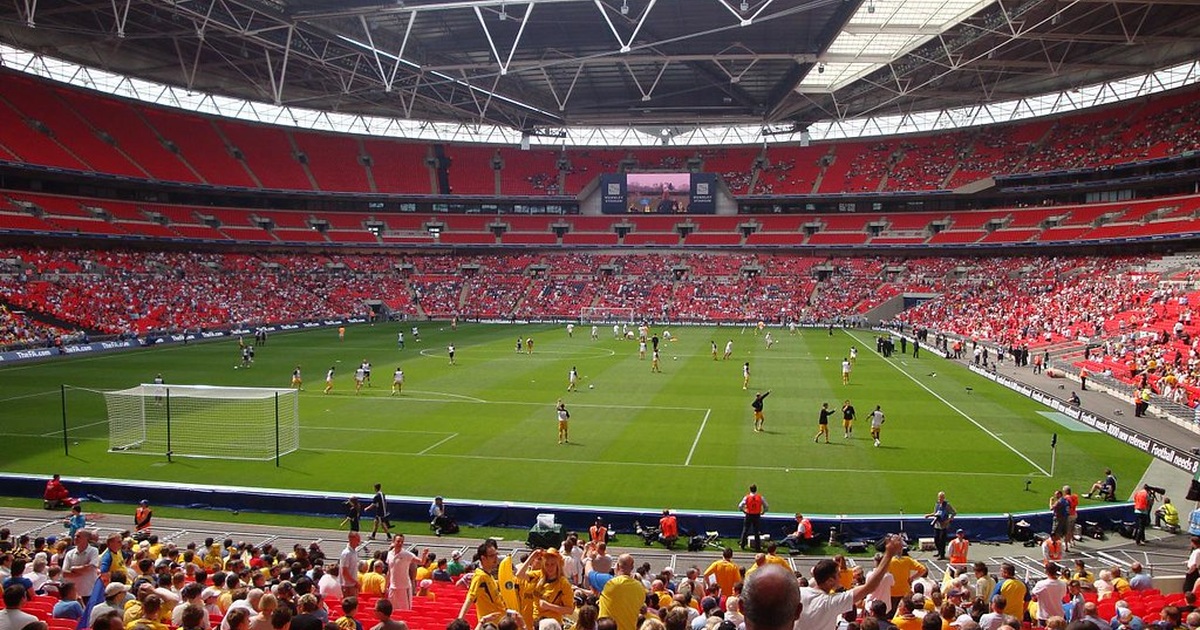
Serie A’s 2026–27 season will again place a premium on structure. The league’s most important early indicators may be found in defensive spacing, controlled progression, and the quality of decisions made after turnovers.
Structure is the starting point
Teams can look secure when they have the ball but vulnerable when their rest defence is poorly organized. Measuring the distance between lines, the speed of recovery, and the number of clean entries allowed after turnovers helps explain why similar possession profiles produce different results.
Three analytical themes
Build-up under pressure
How a team escapes the first press is a major clue to its identity. Pass completion alone is not enough: analysts should examine progressive actions, pressure resistance, and the locations where possession is lost.
Defending the box
Conceded goals can hide a strong defensive process or expose repeated problems. Box entries, blocked shots, crosses faced, and the quality of chances allowed offer a more complete picture of protection around the goalkeeper.
Game-state intelligence
Serie A matches can change significantly after the first goal. Tracking how teams alter their line height, tempo, and risk profile when leading or trailing can reveal which results are robust and which depend on narrow game states.
Why real-time context matters
Live scores become more valuable when combined with event-level context. A sports platform can give supporters a clearer explanation of momentum by connecting goals and cards with pressure, territory, and tactical adjustments.
The coming season should reward careful observation. Serie A’s story will not be told by one metric, but by the interaction between structure, decision-making, and execution.