
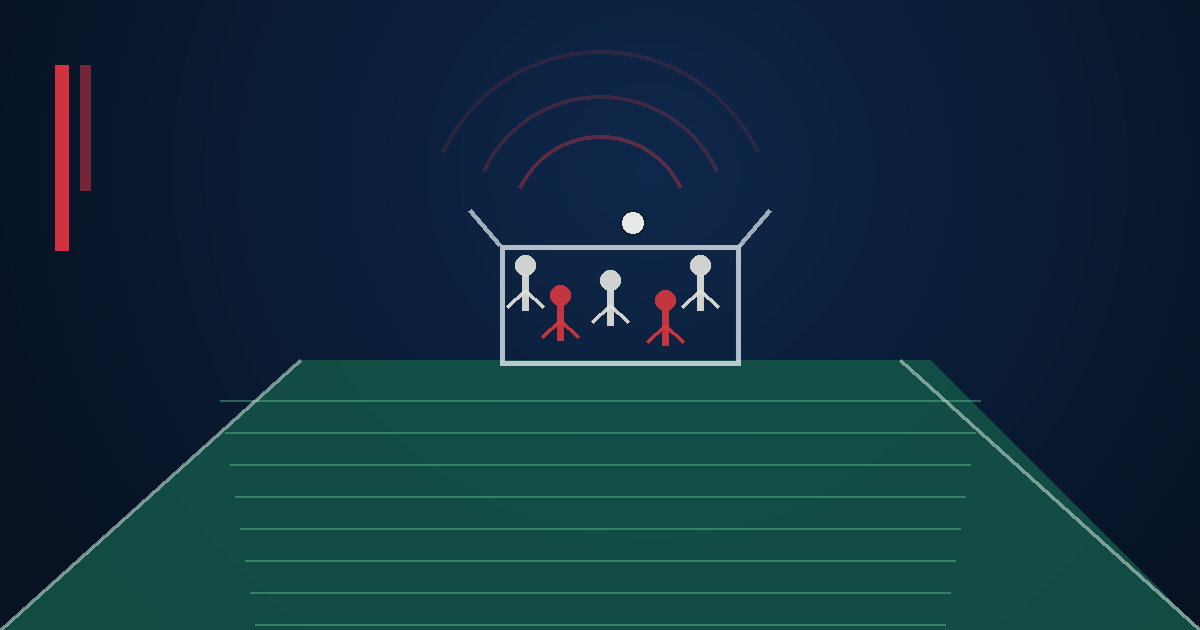
The Premier League is entering the 2026–27 season with a sharper focus on how players compete at attacking corners. After a campaign in which holding, blocking and grappling repeatedly drew criticism, referees are being asked to penalise sustained or impactful off-the-ball contact more proactively. The change is less about rewriting the Laws of the Game than applying existing principles consistently in one of football’s most crowded phases.
What is changing at Premier League corners?
According to the Premier League’s explanation of the 2026/27 changes and reporting by BBC Sport, officials will place greater emphasis on holding actions with a clear material impact. Examples include a player focusing only on an opponent, making no attempt to play the ball, using both arms to hold, or sustaining contact that restricts an opponent’s movement.
Why the set-piece phase matters
Corners compress many variables into a small area: starting positions, timing, goalkeeper access, blockers, second balls and referee sightlines. A foul that is difficult to identify in real time can change the quality of a chance, even when the ball is delivered accurately. BBC Sport reported that a quarter of 20 missed VAR interventions from the previous season involved penalties not awarded after players were wrestled down away from the ball. That figure is a reported review statistic, not a prediction of how many penalties will be awarded this season.
More intervention does not mean zero contact
Howard Webb, the Premier League referees’ chief, said the intention is to reduce warnings and increase action when officials see clear offences, while retaining a high threshold for ordinary football contact. The approach also differs from the stricter goalkeeper-protection emphasis used at the World Cup: a bump is not automatically a foul if the goalkeeper is still able to compete for the ball.
What teams should monitor in live data
For analysts and product teams, the useful question is not simply whether a corner produced a shot. A richer match model should separate corner volume from corner quality and record the game state, delivery zone, first contact, goalkeeper involvement, foul outcome and restart. Those fields make it easier to compare tactical intent with officiating impact without treating every set-piece incident as equivalent.
- Pre-delivery: identify overloads, blockers and marking structures.
- Contact phase: distinguish legal challenges from sustained holding or movement restriction.
- Outcome: connect the decision to a shot, penalty, goal, clearance or retaken phase.
Why this could affect the opening weeks
Players and coaches have reportedly been shown clips of incidents that were not penalties last season but would fall under the new emphasis. That creates an adjustment period: attackers may test whether defenders continue to grab, while defenders must decide how to contest space without turning a marker’s run into a holding offence. Early matches should therefore be read with context rather than through a simple count of penalties.
For RealXData readers, this is a practical reminder that event data is most valuable when it preserves sequence and context. A corner, a foul and a penalty are connected events. Capturing that chain can help media teams explain why a match turned on a set piece, while giving analysts a cleaner basis for reviewing changes in behaviour over time.
Bottom line
The Premier League’s corner crackdown is an officiating emphasis, not a guarantee of penalty-heavy matches. Its success will depend on consistent thresholds, clear communication and players changing behaviour. The first evidence to watch is whether off-the-ball holding decreases, whether goalkeeper access improves, and whether decisions become easier to explain from the live event sequence.
Sources checked on 20 August 2026: Premier League, “How the Laws of the Game are changing in 2026/27”; BBC Sport, “The Premier League’s new plan to end corner chaos.”